





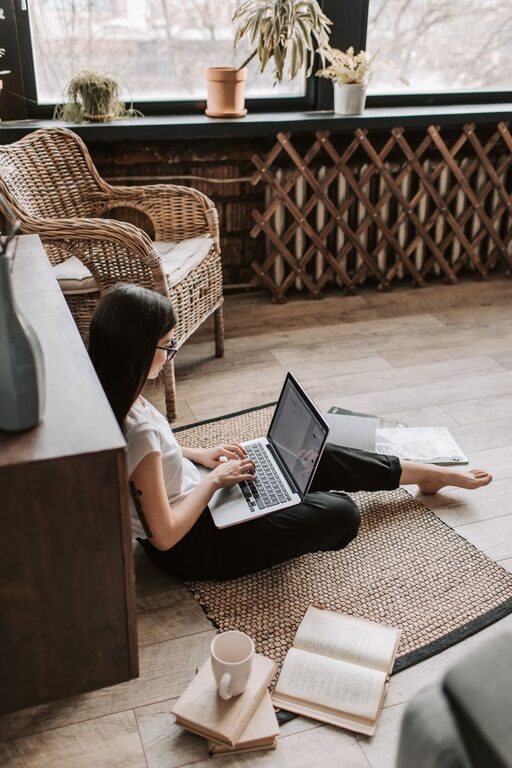
Creating a relaxing home office environment can make a significant difference in your workday. When your workspace feels calm and inviting, you’re more likely to stay focused, motivated, and stress-free. Whether you’re new to working from home or looking to improve your current setup, these tips will help you design a space that promotes relaxation and productivity.
Why a Relaxing Home Office Matters
Working from home blends personal and professional life, which can sometimes be challenging. A cluttered or uncomfortable workspace may lead to distractions, fatigue, and decreased efficiency. On the other hand, a thoughtfully designed office can enhance your mood and help you enjoy your work routine.
Choose the Right Location
Consider Natural Light
If possible, set up your home office near a window. Natural light boosts mood and energy, making it easier to concentrate. Position your desk so sunlight doesn’t cause screen glare, but still fills your space with soft daylight.
Minimize Noise Distractions
Find a quiet corner or room to work in. If you live in a noisy environment, consider using noise-canceling headphones or white noise machines to block distractions.
Keep Your Space Organized
Declutter Regularly
An organized desk clears your mind and reduces stress. Remove unnecessary items and keep only essential tools within reach.
Use Storage Solutions
Shelves, drawers, and organizers can help store paperwork, supplies, and gadgets neatly. Label boxes or files to quickly find what you need without creating a mess.
Choose Comfortable and Functional Furniture
Invest in an Ergonomic Chair
Comfort is key for long work hours. Choose a chair that supports your back and promotes good posture to avoid discomfort and fatigue.
Select a Suitable Desk
Your desk should fit your workspace needs—not too big to cause clutter, but large enough to hold your computer and other essentials. Adjustable desks that allow standing can also be beneficial.
Enhance Ambiance with Colors and Decor
Use Soothing Colors
Soft blues, greens, or neutral tones are calming and can reduce stress. Avoid overly bright or harsh colors that may cause tension.
Add Personal Touches
Incorporate elements that make you happy and inspired, such as photos, plants, or artwork. Plants, in particular, improve air quality and bring a sense of tranquility.
Lighting Matters
Layer Your Lighting
Combine natural light with ambient, task, and accent lighting. A desk lamp can provide focused light for reading or detailed work, while soft overhead lighting helps create a warm atmosphere.
Avoid Harsh Lighting
Steer clear of fluorescent bulbs that can cause eye strain. Opt for LED bulbs with adjustable brightness and warmer tones.
Manage Technology Thoughtfully
Keep Cables Tidy
Messy cables add to visual clutter and can be distracting. Use cable organizers or clips to keep wires neat and out of sight.
Limit Screen Time Breaks
Take regular short breaks away from the screen to reduce eye strain and refresh your mind. Use reminders or time management tools if needed.
Incorporate Relaxation Breaks
Create a Small Relaxation Area
If space permits, have a cozy corner with a comfortable chair or yoga mat for quick relaxation, stretching, or meditation.
Use Aromatherapy
A subtle diffuser with calming scents like lavender or eucalyptus can help reduce stress and increase focus during work sessions.
Maintain Good Air Quality
Ventilate Your Workspace
Open windows when possible to let fresh air in. Good ventilation contributes to better focus and health.
Use Air Purifiers or Indoor Plants
Plants such as snake plants or pothos can naturally clean the air, and air purifiers can alleviate dust or allergens for a fresher environment.
Establish Boundaries and Routine
Define Your Work Hours
Set clear start and end times to separate work from personal time. This helps create mental boundaries and keeps your relaxation time intact.
Communicate Your Schedule
If you share your home with others, let them know your work hours to minimize interruptions.
Final Thoughts
A relaxing home office combines functionality with comfort and personal style. By thoughtfully arranging your space, managing clutter, adjusting lighting, and incorporating calming elements, you create a productive environment that supports your well-being. Start small and adjust your setup over time to find what works best for you. Your home office can become a place where work feels less like a chore and more like a positive part of your day.



More Stories