






Creating a home office that feels both cozy and productive can make a big difference in how you work and enjoy your time at home. Whether you’re working remotely full-time or need a dedicated spot for occasional tasks, a well-designed space can help you stay focused and motivated. In this post, we’ll explore practical tips on how to create a home office that balances comfort and efficiency.
Why a Cozy Workspace Matters
A cozy workspace isn’t just about comfort; it influences your mood, focus, and creativity. When your space feels inviting, you’re more likely to look forward to working there. On the other hand, productivity comes from an organized environment that minimizes distractions and supports your workflow.
Choosing the Right Location
Find a Quiet Spot
Choosing a location with minimal noise and interruptions is critical. If possible, pick a room or corner away from high-traffic areas. Good natural lighting can also boost your mood and energy level, so aim for spots near a window.
Consider Privacy and Space
You want enough room to move freely and organize your materials without feeling cramped. If you live with family or roommates, creating some physical or visual barrier can help protect your focus.
Investing in Comfortable Furniture
Select an Ergonomic Chair
Comfortable seating is essential. Look for chairs that support your back, encourage good posture, and have adjustable height or armrests. Ergonomic chairs help reduce fatigue during long hours.
Choose a Functional Desk
Your desk should fit the space and meet your needs. Consider one with enough surface area for your computer, documents, and accessories. Adjustable desks or standing desk options can provide variety and improve comfort.
Organizing Your Workspace
Declutter Regularly
A clutter-free desk helps clear your mind. Use storage boxes, trays, or drawers to keep items organized. Regularly sorting through papers and supplies can prevent buildup and distractions.
Use Smart Storage Solutions
Shelves, file cabinets, and wall-mounted organizers save space and keep essentials within reach. Label containers when possible to streamline finding what you need quickly.
Enhancing Lighting and Ambiance
Maximize Natural Light
Natural light reduces eye strain and supports alertness. Position your desk near a window if possible, but avoid glare on your screen by using shades or curtains.
Add Layered Lighting
Incorporate a mix of overhead lights, desk lamps, and ambient lighting. Warm-toned bulbs can create a relaxing atmosphere, while task lighting ensures you can see clearly for detailed work.
Personalize the Space
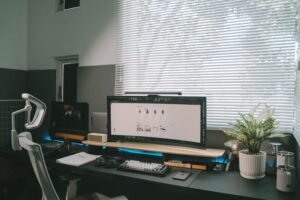
Add elements that make the room inviting, such as plants, artwork, or cozy textiles like a soft rug or throw blanket. These touches create a space that feels uniquely yours.
Minimizing Distractions
Control Noise Levels
Use noise-canceling headphones or play background music or white noise if it helps you concentrate. Close doors or use rugs and curtains to absorb sound.
Manage Digital Interruptions
Turn off unnecessary notifications during focused work time. Tools like website blockers or “Do Not Disturb” modes can help maintain concentration.
Setting Boundaries and Routine
Define Work Hours
Set clear work hours to separate professional tasks from personal time, which supports balance and reduces burnout.
Create a Start and End Ritual
Simple routines like tidying your desk before and after work or having a morning coffee in your office can signal the start and finish of your workday, helping your mind switch gears.
Incorporating Technology Efficiently
Invest in Reliable Equipment
A quality computer, fast internet connection, and efficient peripherals such as printers or monitors enhance productivity.
Use Cable Management
Tidy cables improve both appearance and safety. Cable clips, sleeves, or raceways can keep wires organized and out of the way.
Taking Care of Your Wellbeing
Include Movement Breaks
Set reminders to stand up, stretch, or walk around every hour. Movement improves circulation and reduces physical strain.
Maintain Good Air Quality
Proper ventilation and perhaps a small air purifier contribute to a healthier environment. Lastly, staying hydrated with water nearby helps maintain focus.
—
Creating a cozy and productive home office takes thought and effort, but the payoff is a space where you enjoy working every day. By choosing the right location, investing in comfortable furniture, organizing efficiently, and adding personal touches, you’ll build a supportive environment that helps you work smarter and feel better. Start with small changes and adjust your setup as you go—your perfect home office awaits!



More Stories
Tips for Creating a Relaxing Home Workspace That Boosts Productivity
Tips for Creating a Productive Home Office That Boosts Focus and Comfort
Tips for Organizing a Clutter-Free Home Office Space