






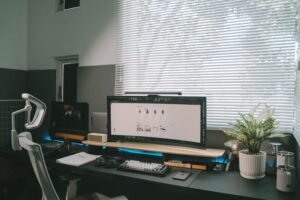
Creating a relaxing home workspace is essential for maintaining focus and reducing stress throughout your workday. Whether you work remotely full-time or occasionally need a quiet spot to complete projects, designing a comfortable and peaceful environment can make a significant difference. In this post, we’ll explore practical tips to help you set up a home workspace that feels inviting and supports your productivity.
Choose the Right Location
Selecting the perfect spot for your workspace is the first step. Ideally, pick a space that is quiet and separate from high-traffic areas in your home.
– Natural Lighting: Position your desk near a window if possible, to benefit from natural light. It can improve mood and reduce eye strain.
– Minimal Distractions: Try to find a space away from the kitchen or living room hubs where noise and activity might be distracting.
– Space to Move: Make sure your chosen area has enough room for both your desk setup and easy movement.
Invest in Comfortable Furniture
Comfort and ergonomics are key to creating a workspace where you can focus for hours without discomfort.
– Ergonomic Chair: Choose a chair that supports your posture with adjustable height and backrest features.
– Desk Height: Your desk should allow your arms to rest comfortably at about a 90-degree angle.
– Foot Support: If your feet don’t touch the floor comfortably, use a small footrest for better circulation.
Organize and Declutter
A tidy workspace promotes calm and helps you stay focused. Here are some organization tips:
– Use Storage Solutions: Bins, shelves, and drawer organizers keep supplies neat and accessible.
– Limit Desk Items: Keep only daily essentials on your desk to avoid feeling overwhelmed.
– Cable Management: Use clips or trays to manage cords and reduce visual clutter.
Control Lighting and Temperature
Proper lighting and temperature can create a pleasant atmosphere conducive to work.
– Layered Lighting: Combine overhead lighting with task lighting, such as a desk lamp, to reduce eye strain.
– Adjustable Brightness: Use bulbs or lamps with adjustable brightness settings to suit different times of the day.
– Comfortable Temperature: Keep your workspace at a comfortable temperature, typically around 68–72°F (20–22°C), to stay alert and relaxed.
Personalize Your Workspace
Adding personal touches can make your workspace feel welcoming and inspiring.
– Plants: Incorporate small indoor plants or succulents, which add color and improve air quality.
– Artwork: Hang a favorite picture or artwork that motivates you.
– Inspiring Objects: Decorate with meaningful objects like quotes or souvenirs to boost your mood.
Incorporate Calming Elements
To reduce stress and enhance relaxation, consider including elements that create a peaceful vibe.
– Aromatherapy: Use a subtle essential oil diffuser with scents like lavender or eucalyptus.
– Soft Textiles: Add a cushion or throw blanket for warmth and comfort.
– Sound: Play gentle background music or white noise if it helps you concentrate.
Establish Routine and Boundaries
Your workspace should help you separate work time from personal life.
– Set Work Hours: Define specific work hours and stick to them to avoid burnout.
– Create a Start-Up Ritual: Begin your workday with a consistent routine, such as organizing your desk or a short meditation.
– End-of-Day Routine: Develop a habit to close your laptop and tidy your workspace to mentally switch off from work.
Maintain Your Space Regularly
Regular upkeep ensures your workspace remains inviting and efficient.
– Weekly Clean-Up: Spend a few minutes each week to clear clutter and dust.
– Update Supplies: Replace worn or outdated materials to keep your tools working well.
– Review Layout: Adjust your setup periodically to improve comfort or efficiency.
—
By following these tips, you can create a home workspace that is both relaxing and productive. A thoughtfully designed environment helps reduce distractions and stress, making it easier to focus and enjoy your workday. A calm workspace is not just about aesthetics but about nurturing well-being and productivity. Start small, and gradually adjust your space until it feels just right for you. Happy working!



More Stories
Tips for Creating a Relaxing Home Workspace That Boosts Productivity
Tips for Creating a Productive Home Office That Boosts Focus and Comfort
Tips for Organizing a Clutter-Free Home Office Space